
Do You Really Need a Cleanse, or Is Your Body Clean Enough, Thank You?
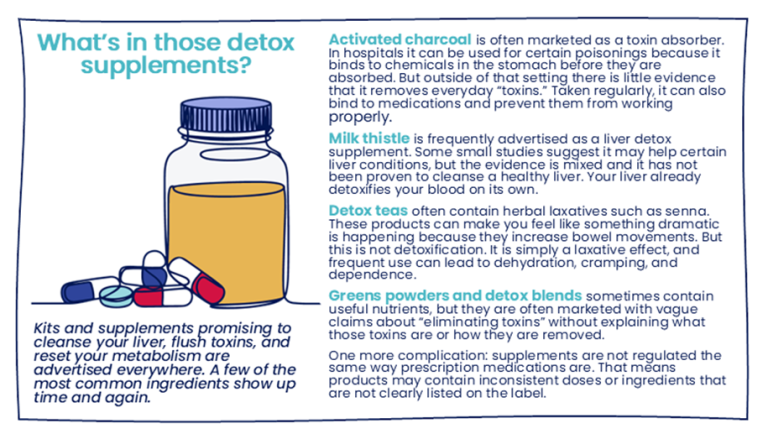
At some point most of us have considered it. After a stretch of travel, holidays, stress eating, or a week when vegetables seemed like a distant memory, the idea of a cleanse, or a detox, can sound appealing. Juice cleanses, detox teas, colon cleanses, and (the latest entry) liquid liver detox supplements all offer the same compelling promise. Flush out toxins, reset your organ(s), and start fresh.
It is a nice idea.
Unfortunately, biology does not really work that way.
Your body already runs one of the most sophisticated detox systems on the planet. Your liver neutralizes harmful substances. Your kidneys filter your blood around the clock. Your digestive system processes what you eat and eliminates what you do not need. Even your lungs and skin help remove waste.
In other words, you are already cleansing yourself every minute of every day.
Where the “Cleanse” Idea Came From
The concept of detoxifying the body has been around for centuries, but the modern cleanse industry exploded during the last two decades. It grew alongside wellness culture, social media, and the understandable desire to undo dietary damage quickly. Let’s face it, we all love a quick fix.
Many cleanses are based on a simple theory: modern life exposes us to toxins, so periodically flushing the system will improve health, energy, digestion, and weight.
The problem is that most of these programs never define what toxins they are removing. And in clinical studies, the evidence that detox diets eliminate measurable toxins is extremely limited.
The National Institutes of Health has reviewed the research and found very little proof that commercial detox products actually improve health outcomes.
The Gut Reset Myth
Another popular claim is that cleanses “reset” your digestive system. This idea has become even more popular as scientists have learned more about the microbiome, the trillions of bacteria that live in our gut and influence digestion, immunity, and even mood.
But here is the irony.
If gut bacteria are important, flushing them out is not necessarily a good strategy.
Your microbiome is more like a rainforest than a sink that needs draining. It thrives on stability and diversity. Extreme diets, fasting cleanses, or aggressive colon cleanses can actually disrupt that balance rather than improve it.
Many gastroenterologists worry that some cleanses do more harm than good. Colon cleanses, in particular, can cause dehydration, electrolyte imbalances, and irritation of the intestinal lining.
Why People Sometimes Feel Better After a Cleanse
If cleanses are questionable, why do people often say they feel great afterward?
Part of the answer is simple. During most cleanses people stop drinking alcohol, cut out ultra processed foods, and reduce sugar. They also tend to eat less.
Anyone would feel better under those circumstances!
The improvement usually comes from removing the things that were causing trouble in the first place, not from a magical detox effect.
If You Really Want to “Reset” Your Gut, Try This Instead
Fortunately, there are evidence based ways to help your digestive system recover after a stretch of less than ideal eating.
Start by feeding your microbiome rather than trying to flush it out. Fiber rich foods such as vegetables, beans, whole grains, nuts, and fruit help beneficial gut bacteria thrive.
Fermented foods like yogurt, kefir, kimchi, sauerkraut, and miso introduce helpful microbes that support digestion.
Hydration also matters more than most detox programs admit. Water helps your kidneys and digestive system do the work they are already designed to do.
Sleep, regular exercise, and managing stress also affect the gut. The digestive system and the nervous system are closely connected, which is why stress often shows up as stomach trouble.
When Digestive Symptoms Deserve a Closer Look
Occasional stomach trouble is normal. Stress, travel, diet changes, and even poor sleep can temporarily affect digestion.
But certain symptoms are worth discussing with a clinician, especially if they persist for more than a couple of weeks.
Unexplained weight loss, persistent diarrhea, chronic constipation, or severe abdominal pain should not be ignored.
Blood in the stool, black or tarry stools, or ongoing vomiting are also warning signs that need medical attention.
Frequent heartburn that does not improve with lifestyle changes can sometimes signal gastroesophageal reflux disease or other issues that deserve evaluation.
And while many digestive complaints are harmless, they can occasionally point to conditions such as inflammatory bowel disease, celiac disease, gallbladder problems, infections, or even colon cancer.
The takeaway is simple. If something feels persistently off, it is better to investigate than to try to “detox” your way through it.
The Bottom Line
The human body already has a detox system that works remarkably well. For most people, the healthiest “cleanse” is not a three-day juice fast or a box of detox supplements.
It is simply returning to the habits we know support good health in the first place. Eat real food. Get enough sleep. Move your body. Drink water.
Not flashy. But remarkably effective.
And if digestive symptoms persist, that may be a sign of something worth discussing with a clinician. That is the kind of reset that really matters.
